Understanding Livestock Joint Supplements and the Benefits of Vitamin C

Maintaining the long-term productivity and well-being of livestock is a foundational goal for any agricultural operation. Whether managing cattle, sheep, swine, or goats, the physical soundness of the animal is intrinsically linked to its quality of life and its ability to thrive in a pasture or farm environment. Central to this soundness is the health of the musculoskeletal system.
As livestock age or face the physical demands of their environment, the importance of a targeted livestock joint supplement becomes increasingly clear. These products are designed to provide the nutritional tools necessary for the body to maintain its structural components, such as cartilage, bone, and connective tissue. Among the many functional ingredients found in these formulations, the role of antioxidants is paramount, with vitamin c benefits playing a silent but critical role in the architecture of animal health.
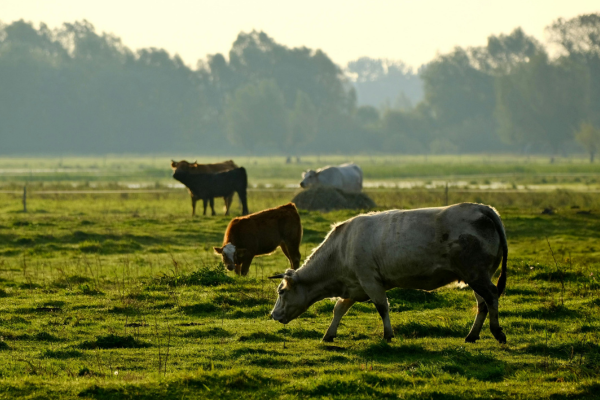
The Biological Importance of Joint Integrity in Livestock
Joints are the hinges of the animal body, responsible for weight-bearing, locomotion, and overall stability. In livestock, the sheer mass of the animal means that joints particularly the hocks, stifles, and fetlocks are under constant mechanical pressure.
A healthy joint is composed of several key parts:
Articular Cartilage: A smooth, resilient tissue that covers the ends of bones, allowing them to glide without friction.
Synovial Fluid: The "oil" of the joint that provides lubrication and nourishment to the cartilage.
Ligaments and Tendons: The fibrous connective tissues that hold the joint together and attach muscle to bone.
When these structures are well-maintained, livestock can move freely to graze, interact socially, and rest comfortably. However, factors such as environmental stress, nutritional gaps, or repetitive movement can impact the body's natural maintenance cycle.
Deconstructing the Livestock Joint Supplement

Modern animal science has moved toward a "structural" approach to nutrition. Instead of simply providing calories, modern rations often include specific compounds intended to support the musculoskeletal matrix. A high-quality livestock supplement typically focuses on three main areas: structural building blocks, lubrication, and antioxidant support.
1. The Building Blocks: Glucosamine and Chondroitin
Glucosamine is a naturally occurring amino sugar that serves as a precursor for the glycosaminoglycans (GAGs) found in cartilage. Chondroitin sulfate is a major component of the extracellular matrix of many connective tissues. Together, these ingredients are intended to support the resilience of cartilage, helping it maintain its "spongy" quality and shock-absorbing capabilities.
2. Lubrication: Hyaluronic Acid
Hyaluronic Acid (HA) is a primary component of synovial fluid. Its role is to maintain the viscosity of the fluid within the joint capsule. For livestock that spend significant time on hard surfaces or navigating uneven terrain, maintaining high-quality joint lubrication is essential for reducing mechanical wear.
3. Structural Support: Methylsulfonylmethane (MSM)
MSM is an organic sulfur compound. Sulfur is necessary for the production of collagen and keratin, which are the main proteins in connective tissues, hooves, and hair. By providing a bioavailable source of sulfur, supplements help maintain the tensile strength of the ligaments and tendons that stabilize the joints.
Vitamin C Benefits: The Essential Cofactor

While often associated with immune support, the role of Vitamin C (ascorbic acid) in musculoskeletal wellness is deeply rooted in biochemistry. In the context of livestock health, vitamin c benefits are most significantly seen in the synthesis of collagen.
Collagen Synthesis and Tissue Repair
Collagen is the most abundant protein in the animal body, acting as the "glue" that holds tissues together. The process of creating collagen requires Vitamin C as a critical cofactor. Without it, the body cannot effectively link the amino acids (proline and lysine) necessary to create stable collagen fibers. For livestock recovering from a long season or young animals experiencing rapid growth, ensuring the body has the tools to produce strong connective tissue is a cornerstone of long-term soundness.
Antioxidant Support and Oxidative Stress
Exercise, heat, and environmental changes can all lead to oxidative stress in livestock. Oxidative stress produces free radicals unstable molecules that can damage cellular structures, including those in the joints. Vitamin C is a powerful antioxidant that helps neutralize these free radicals. By protecting the cells within the joint capsule from oxidative damage, Vitamin C supports a healthy internal environment where cartilage and synovial fluid can be maintained more efficiently.
Integrating Supplements into Livestock Management

The use of a livestock supplement should be viewed as one part of a holistic management strategy. Nutrition works best when paired with proper husbandry practices.
Weight and Condition Management
Excessive weight is the enemy of joint health. Managing the Body Condition Score (BCS) of livestock ensures that the skeletal system is not overtaxed. A joint supplement can provide the internal building blocks, but keeping the animal at a healthy weight reduces the external mechanical stress those joints must endure.
Environmental Considerations
The surfaces upon which livestock live and move play a significant role in their structural longevity. Providing soft bedding in stalls and ensuring that high-traffic areas (like gates and water troughs) are free of deep mud or sharp rocks prevents the "micro-traumas" that can accumulate over time.
The Role of Movement
Consistent, low-impact movement is beneficial for joint health. Movement encourages the circulation of synovial fluid, which delivers nutrients to the cartilage (which lacks its own blood supply). For livestock on pasture, this happens naturally, but for animals in more confined spaces, proactive management is required to encourage activity.
Future Trends: Bioavailability and Synergistic Blends
As our understanding of animal nutrition grows, the focus is shifting toward the bioavailability of ingredients. It is not just about what is in the feed bag, but what the animal can actually absorb and utilize.
Modern formulations often use "chelated" minerals or "hydrolyzed" proteins, which are easier for the livestock's digestive system to process. Furthermore, the synergy between ingredients is becoming a primary focus. For instance, the inclusion of Vitamin C ensures that the collagen peptides provided in a supplement can be effectively utilized by the animal’s body to build new tissue. This integrated approach ensures that the nutritional investment yields the greatest possible benefit for the animal’s physical comfort.
Conclusion
The structural health of livestock is a continuous process of maintenance and renewal. By understanding the mechanical needs of the joints and the nutritional requirements of the connective tissues, producers can implement proactive strategies that promote lifelong soundness.
The strategic use of a livestock joint supplement provides the essential precursors for cartilage and joint fluid, while the often-overlooked vitamin c benefits ensure that the body’s natural collagen production remains efficient. When combined with thoughtful environmental management and a focus on general wellness, these nutritional tools help ensure that livestock remain mobile, comfortable, and productive for years to come. Investing in the structural "infrastructure" of the animal today is the best way to ensure a vibrant and healthy herd tomorrow.


Comments